Alebrijes
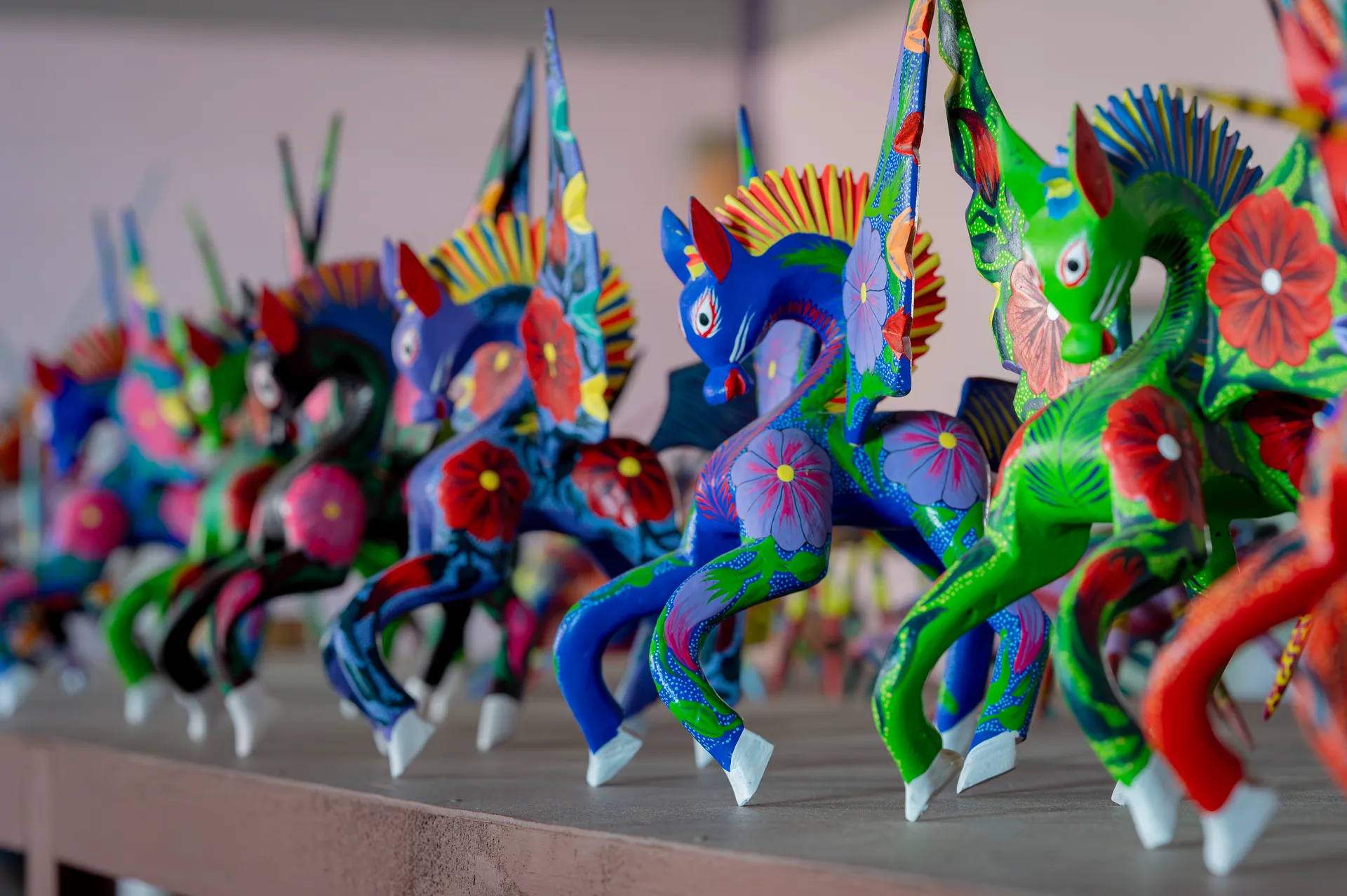
Fantastic creatures born from the fever dream of Pedro Linares in 1936, then carved in copal wood and painted by hand in Arrazola and San Martín Tilcajete, near Oaxaca City.

Everything below is less than a couple of hours from our base — most of it just minutes away.
 Mazunte
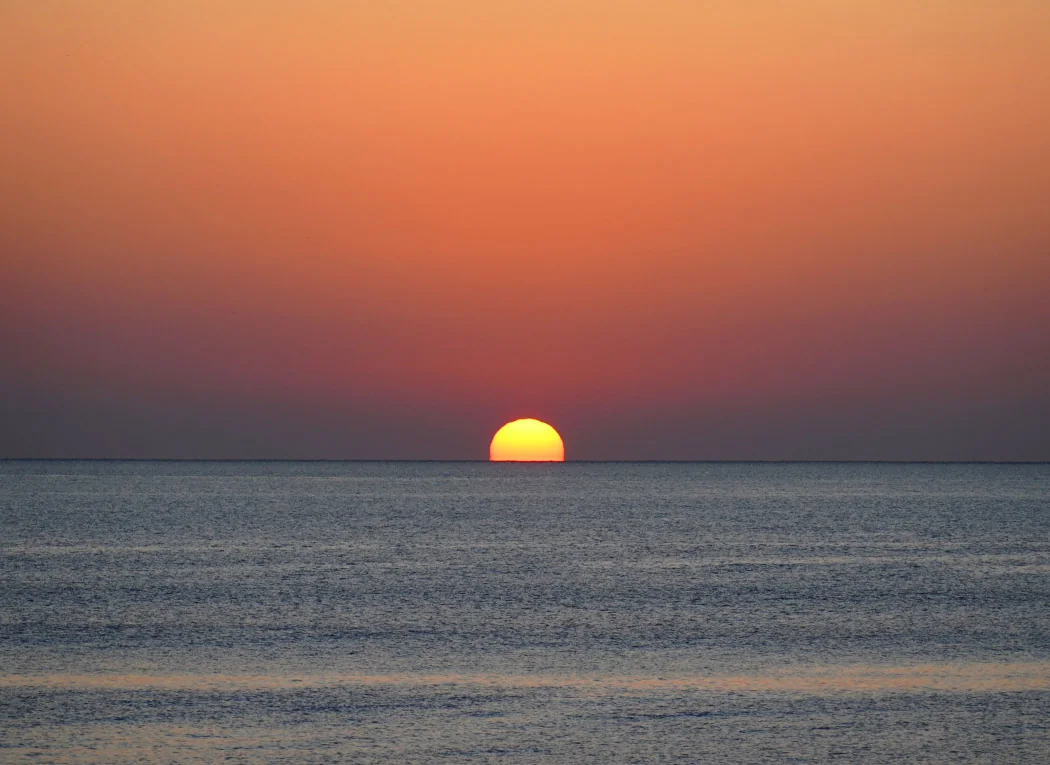
A rocky headland at the edge of Mazunte with one of the best sunsets on the coast. Mazunte itself has been a “Pueblo Mágico” since 2015.
 5 min
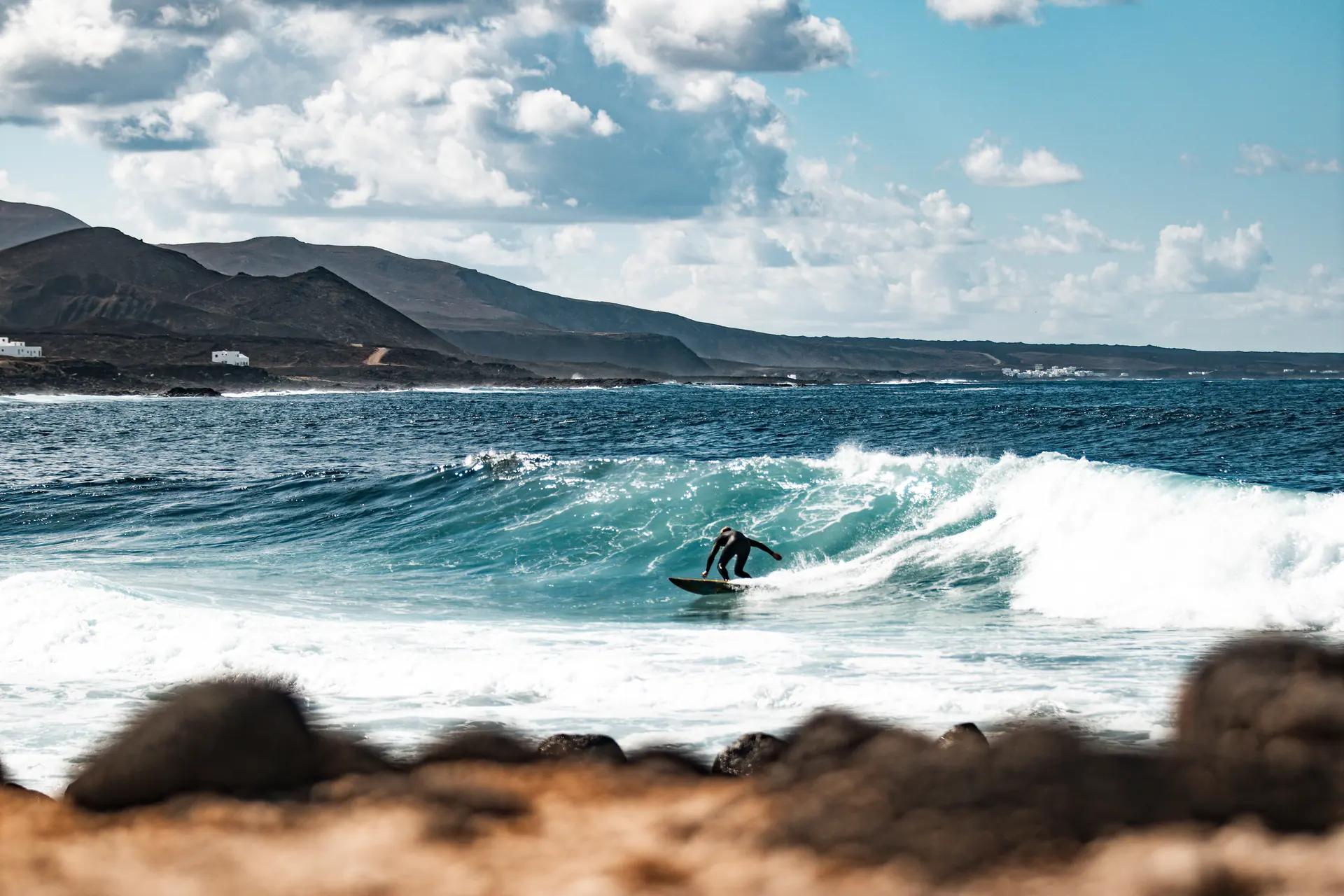
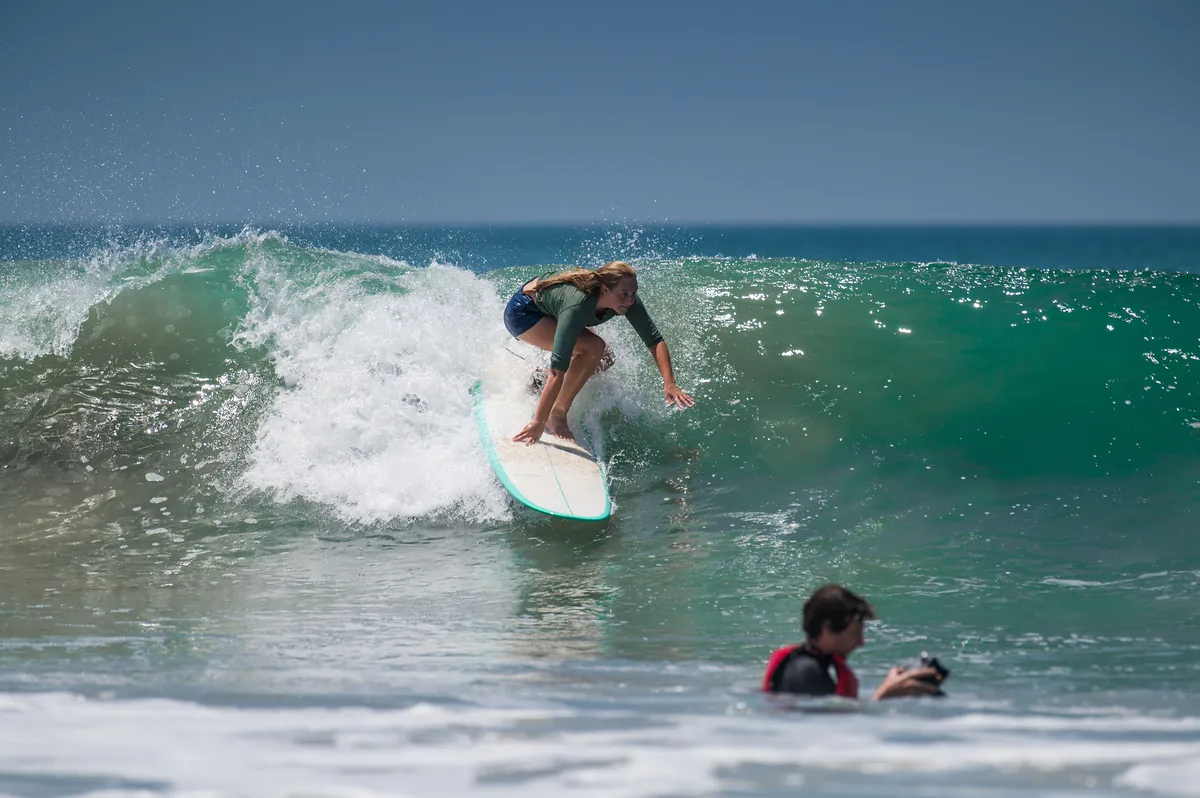
Kite in the afternoon, surf in the morning! The gentle beach break of San Agustinillo, right next to Mazunte, is perfect for a first lesson. Experienced surfers head to Zicatela in Puerto Escondido, the famous “Mexican Pipeline”.
 15 min
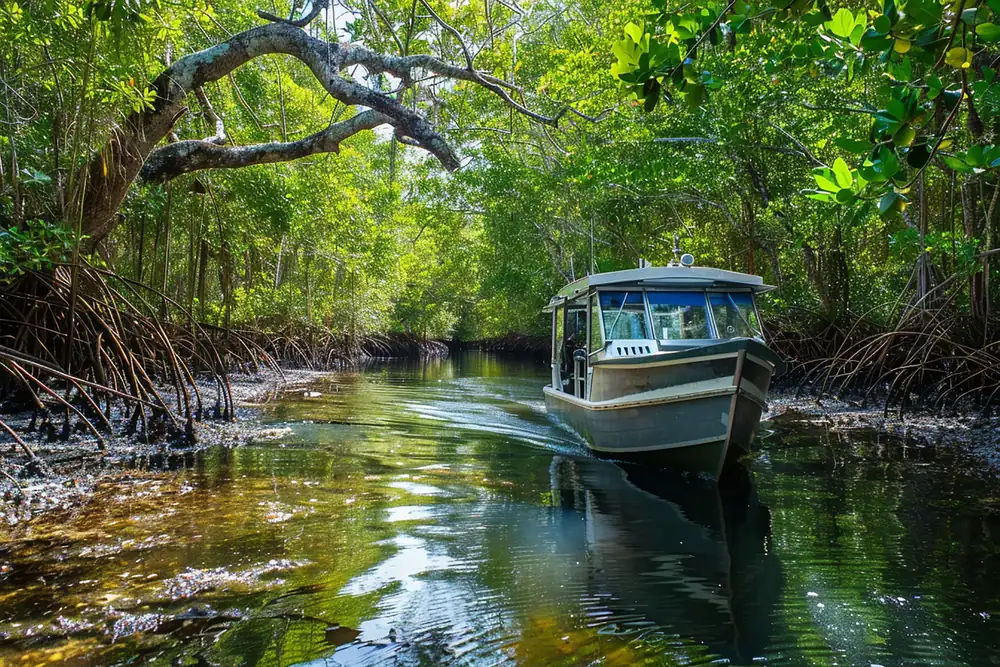
Glide through the mangroves by boat with a local guide and spot crocodiles, iguanas and birds in an eco-community lagoon.
 Mazunte
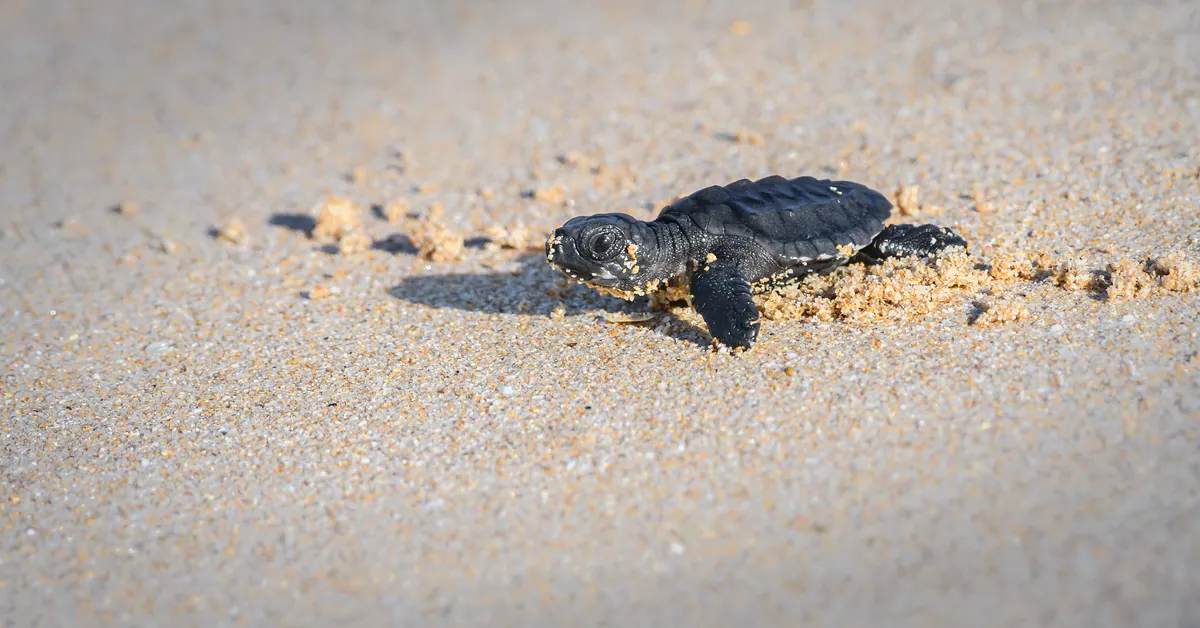
The Centro Mexicano de la Tortuga, opened in 1992, protects sea turtles. In season, you can watch hatchlings make their way to the ocean.
 Dec – Mar
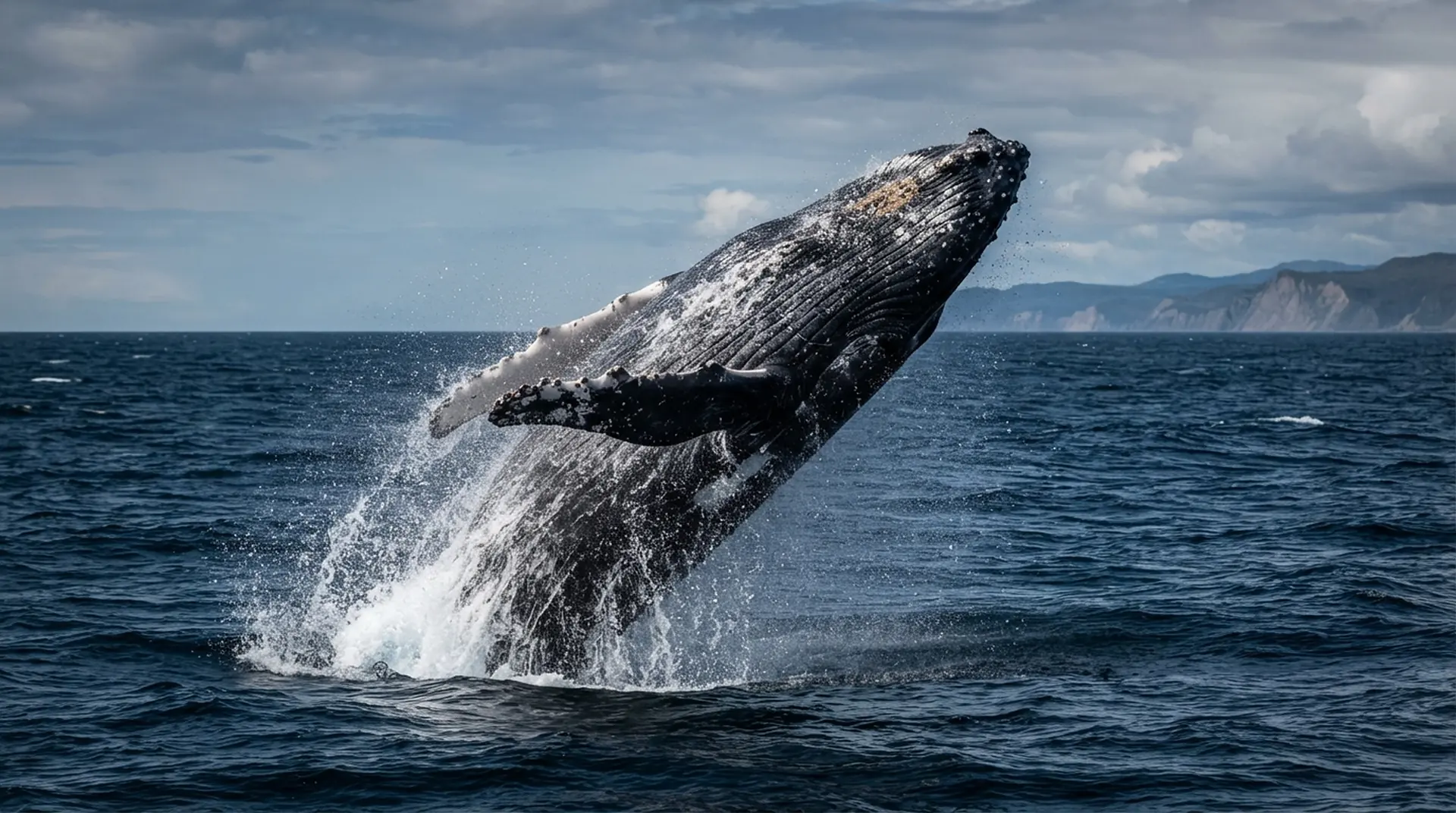
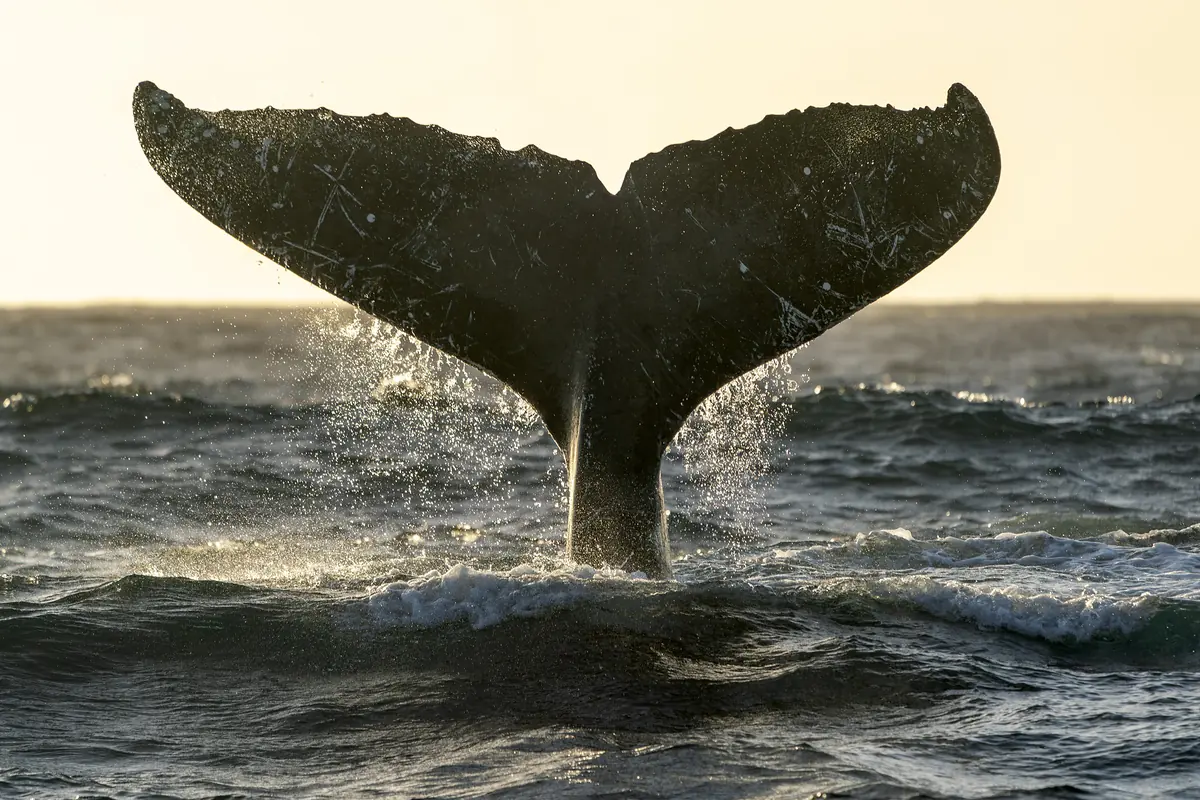
Humpback whales pass the coast every winter. Mazunte has had an official whale-watching zone since 2015.
 5–10 min
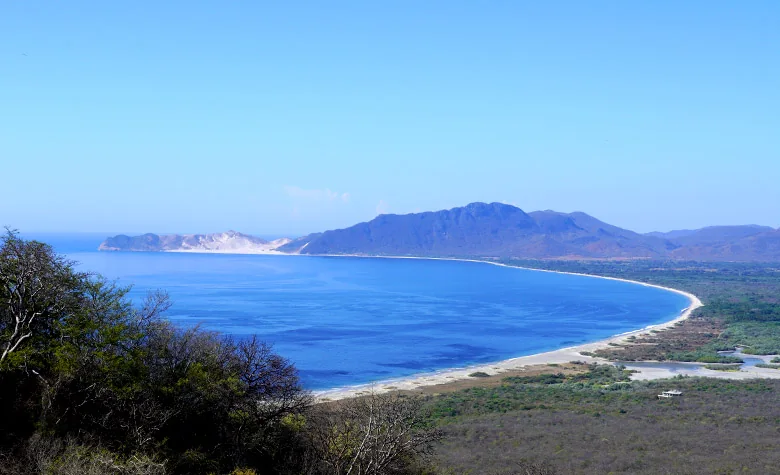
A long golden beach with a laid-back vibe, epic sunsets and nightlife, a few minutes from Mazunte.
 1 h
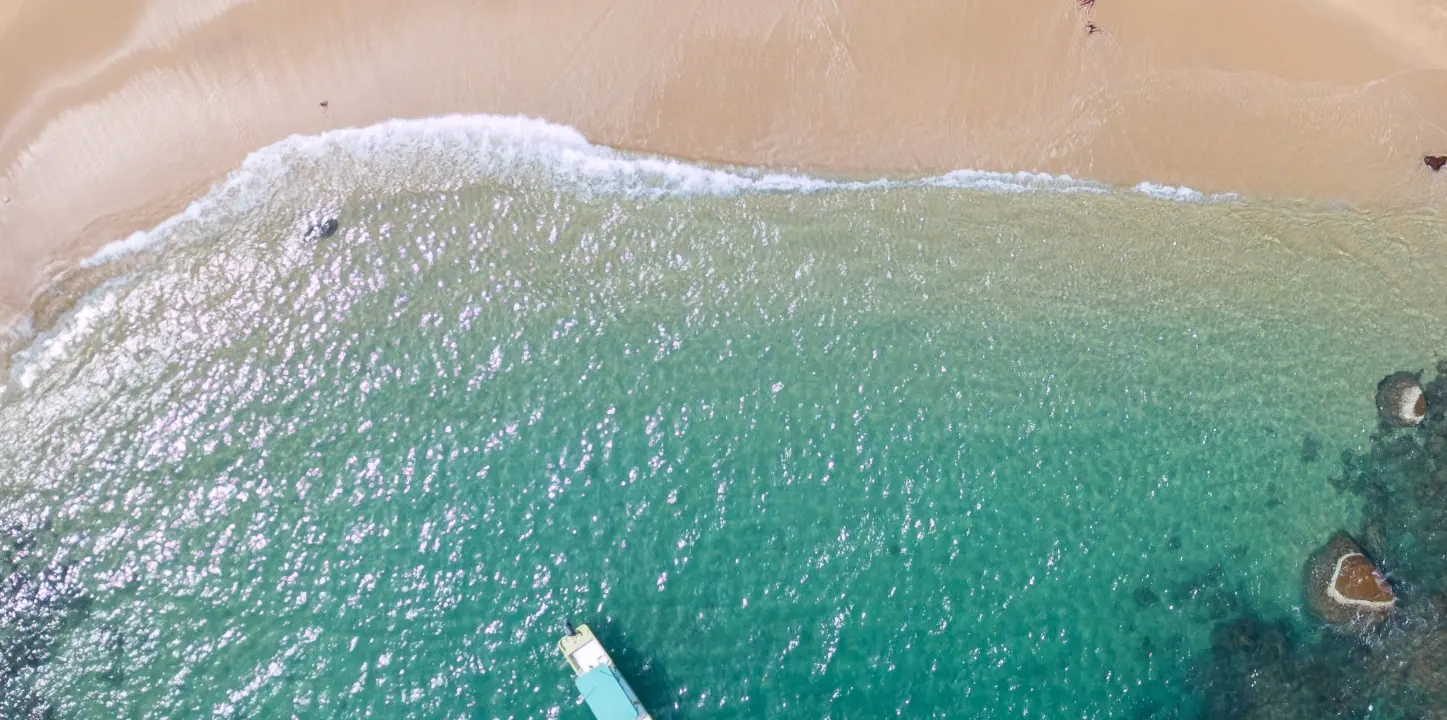
A national park of turquoise bays and coves, perfect for snorkelling and boat trips.
Near Puerto Escondido, the lagoons of Manialtepec and Chacahua light up with bioluminescent plankton. Go on a new-moon night.
Mexico still has wild corners, and this is one of them. Keep your eyes open on the water and on land.
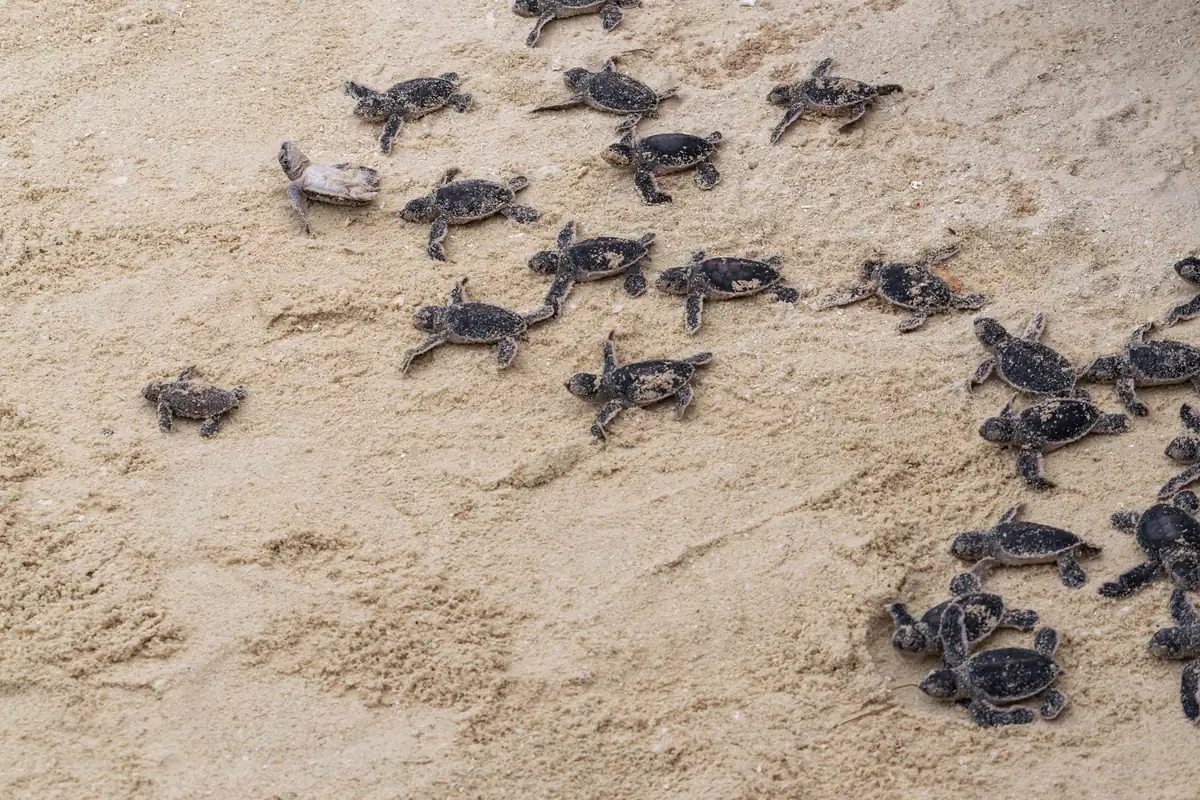
Nests on Oaxaca beaches, protected in Mazunte.
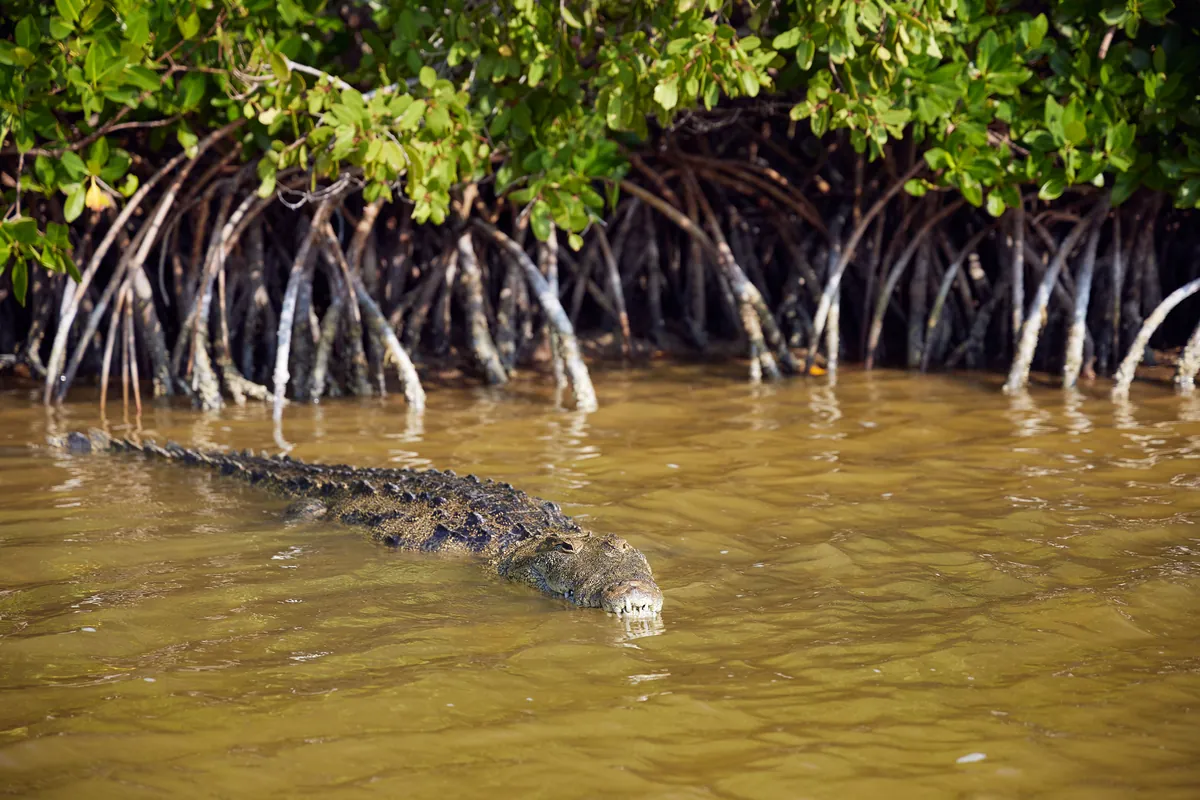
King of the Ventanilla mangroves.
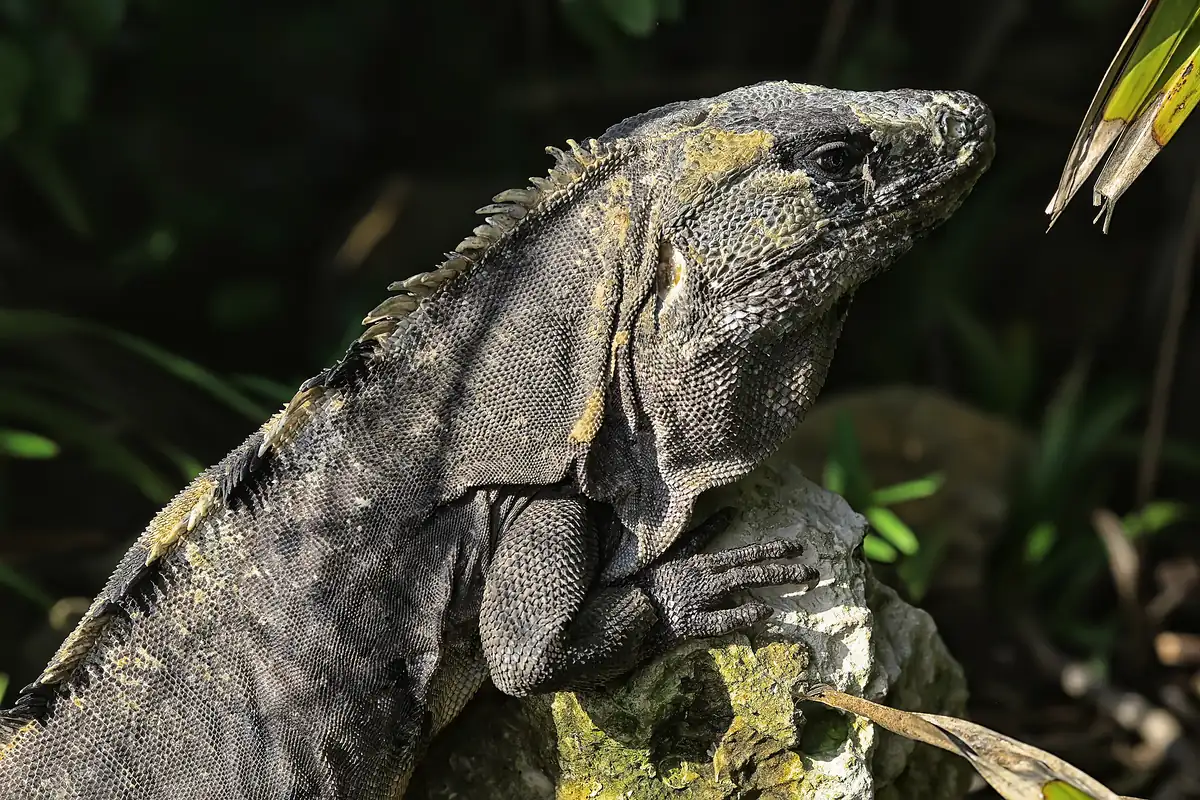
Big grey iguanas sunbathe on rocks and roofs all along the coast.
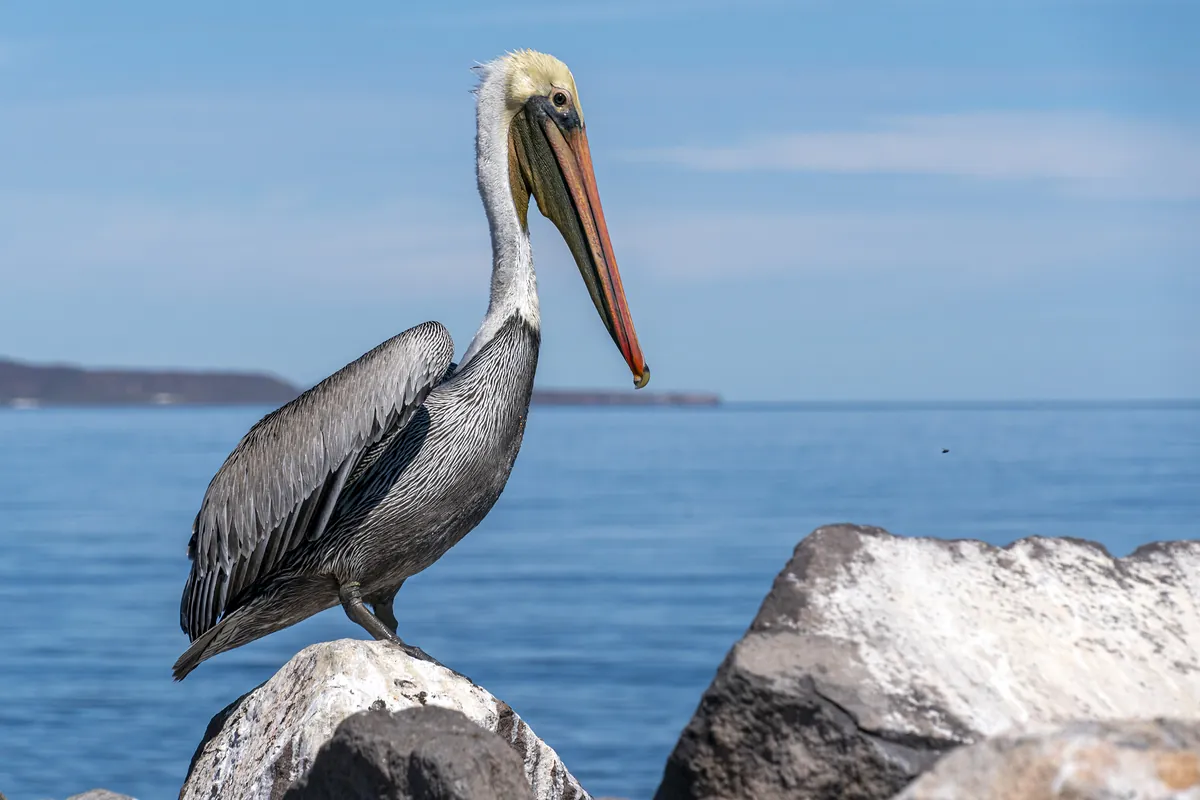
Glides in line over the waves, then dives for fish.
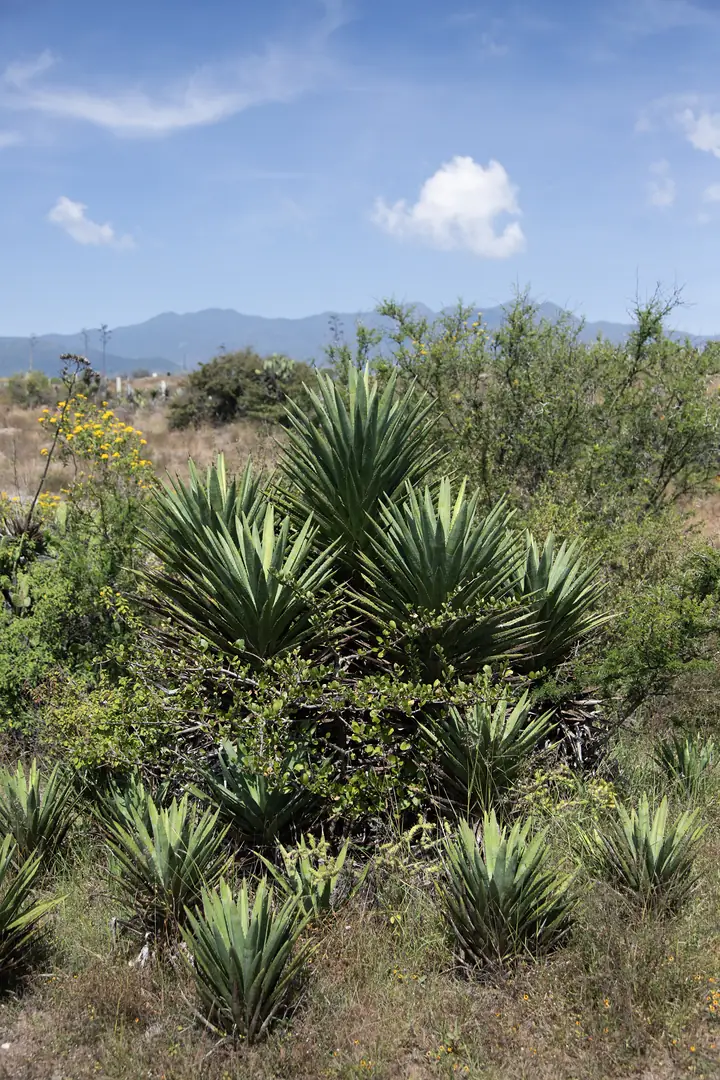
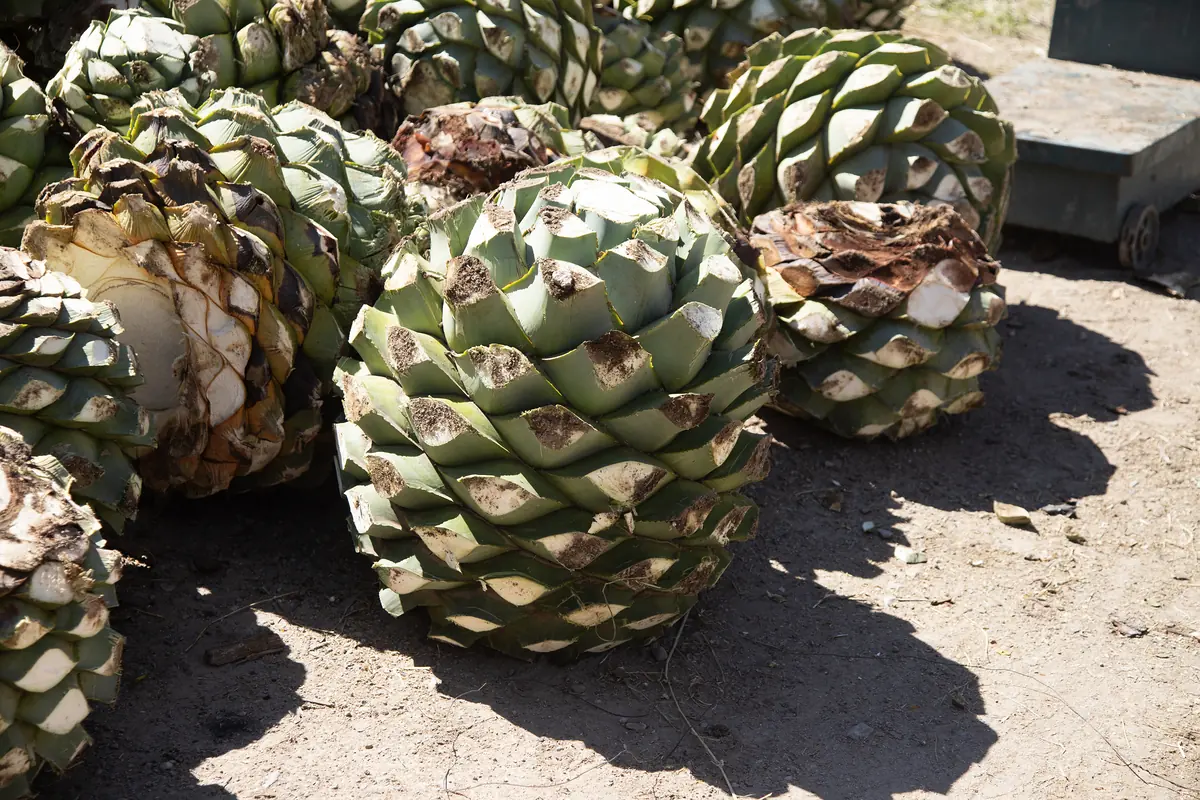
The plant behind mezcal, grown all over the state.
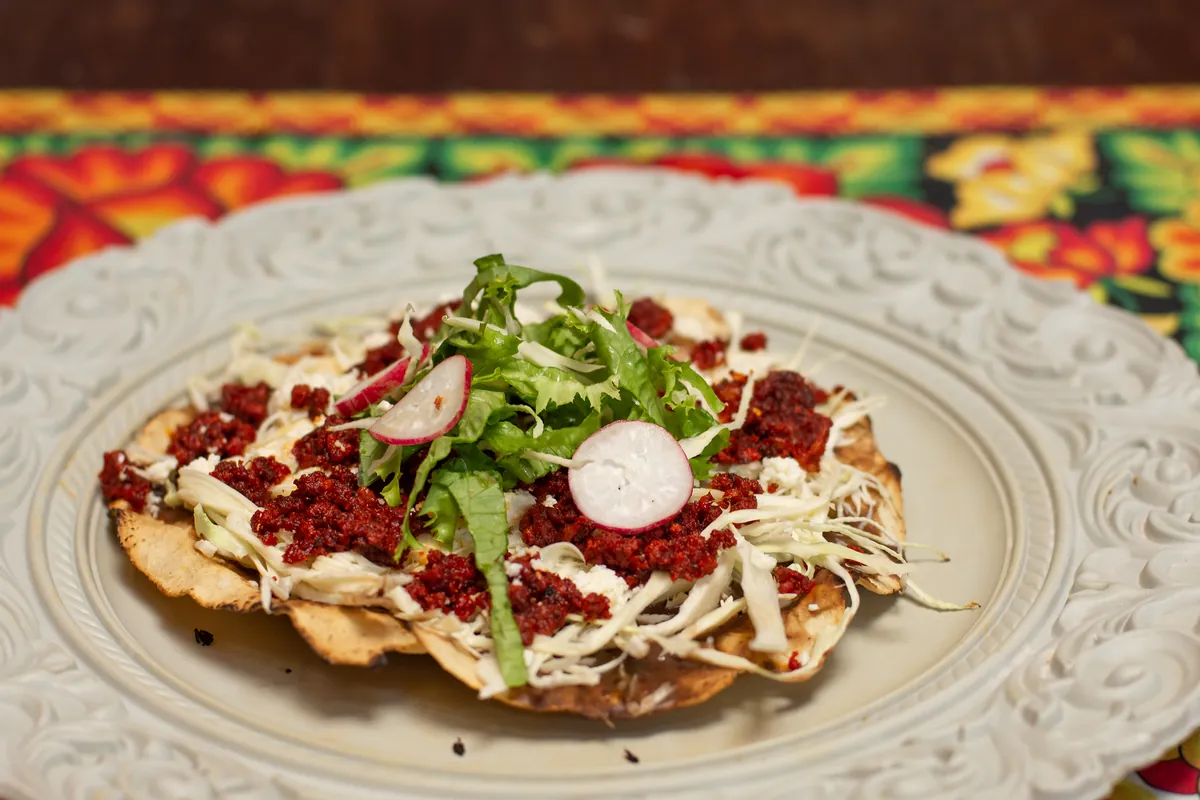
On the coast, fish comes straight from the boats. Order it grilled, with tortillas, salsa and lime.
Oaxaca is nicknamed “the land of the seven moles”: negro, rojo, amarillo, verde, coloradito, chichilo and manchamanteles.
The Grammy-winning singer was born in Tlaxiaco, Oaxaca, and sings in Spanish, Mixtec and Zapotec.
Toasted grasshoppers with lime, salt and chile: the crunchiest snack in Oaxaca. Dare to try?
Oaxaca is home to 16 Indigenous peoples, each with its own language and traditions.
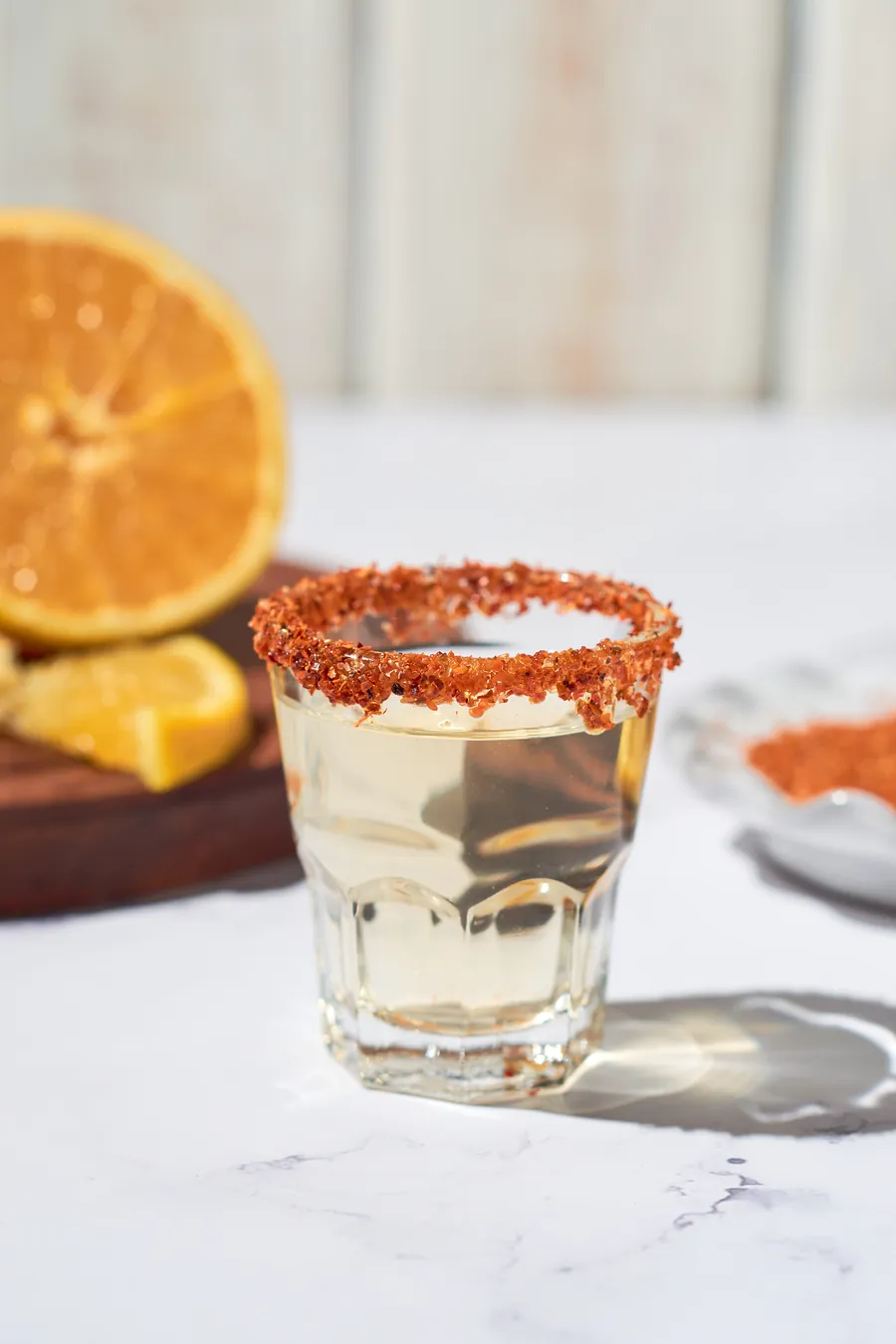
Around nine bottles of mezcal out of ten are produced in Oaxaca.
Fantastic creatures born from the fever dream of Pedro Linares in 1936, then carved in copal wood and painted by hand in Arrazola and San Martín Tilcajete, near Oaxaca City.
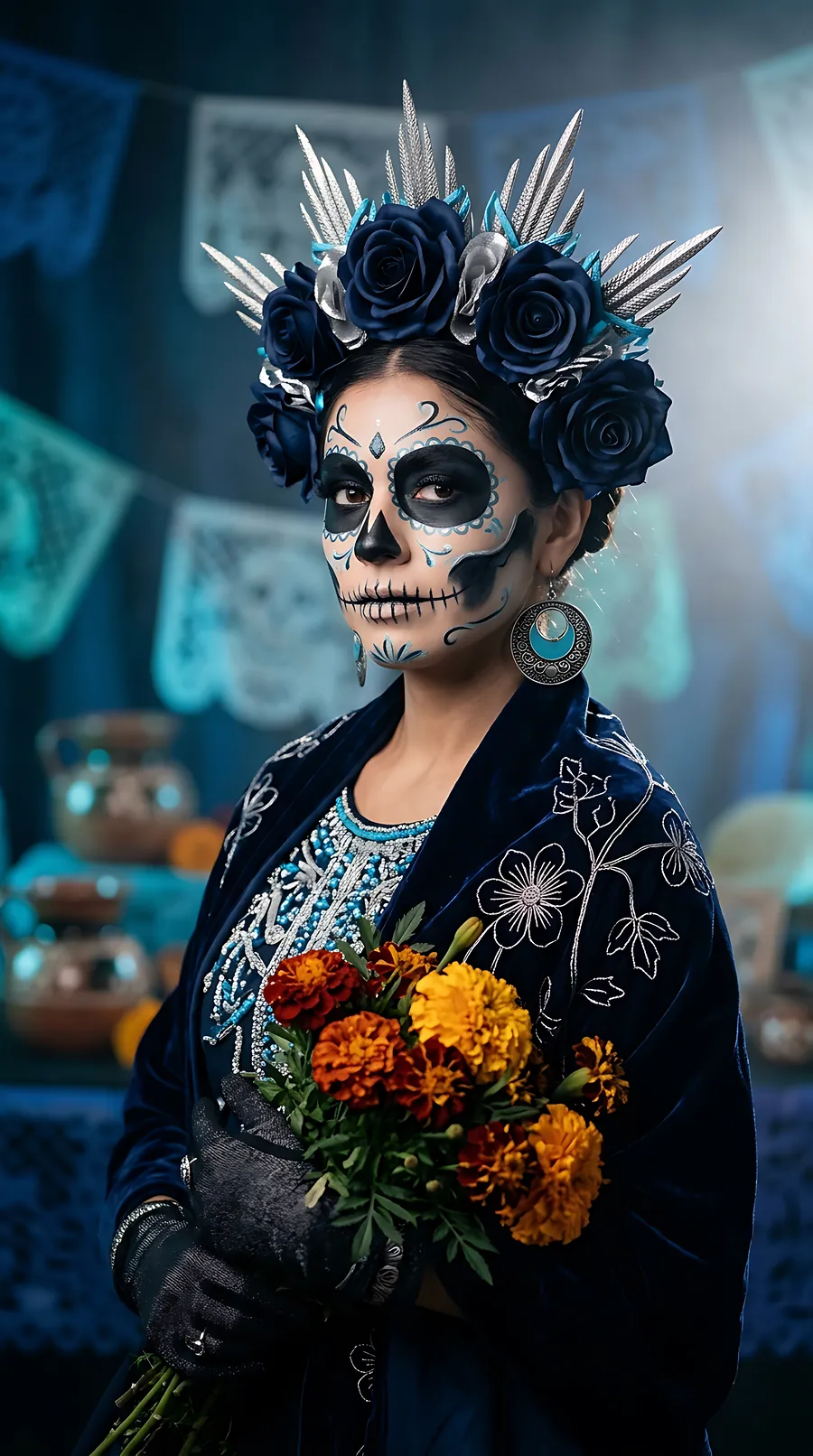
From 31 October to 2 November, Oaxaca honours its dead with altars, marigolds, music and painted faces.
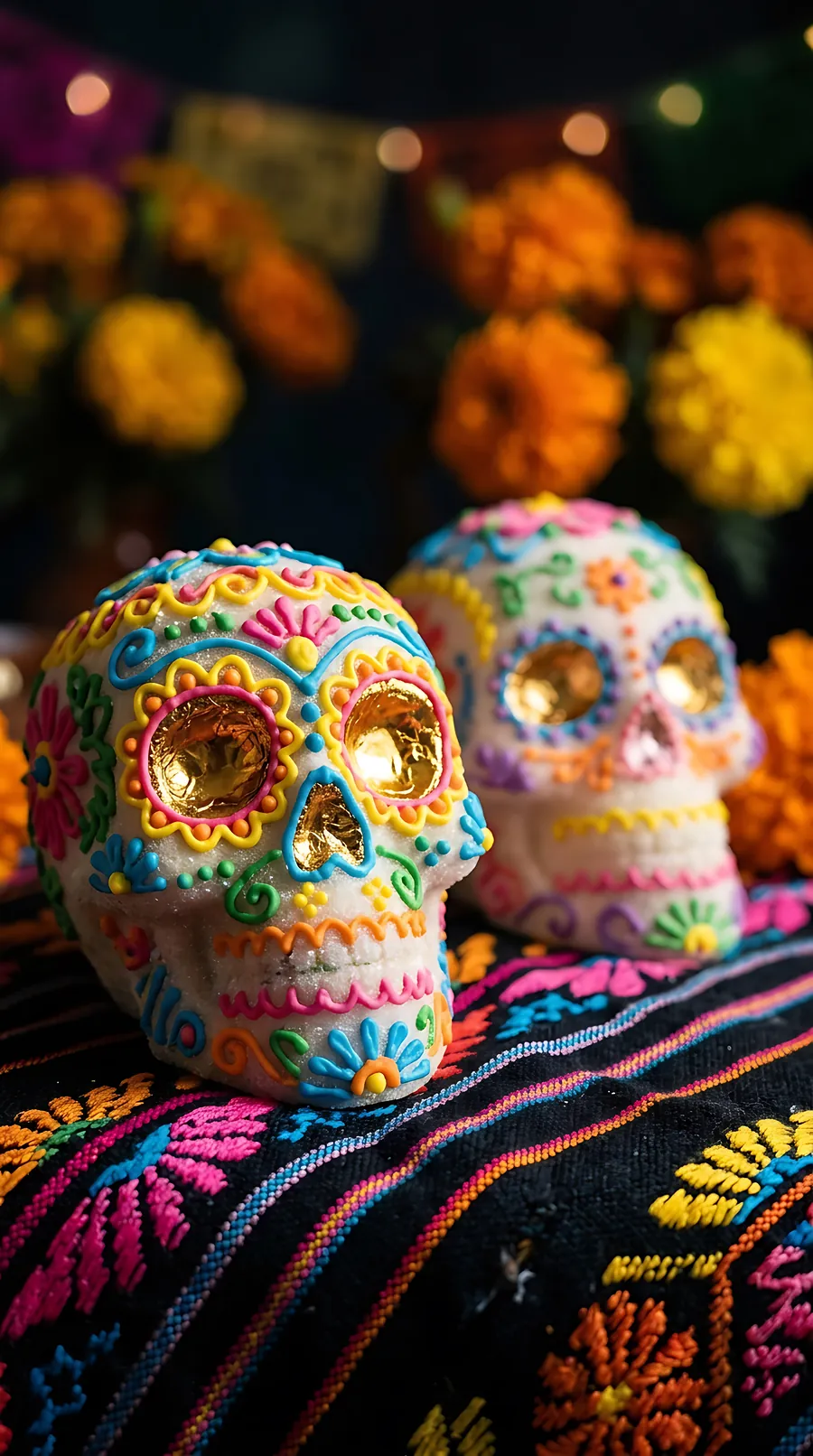
Colourful sugar skulls decorate the Día de Muertos altars — often with a name written on the forehead.
Mezcal is made from agave hearts — called piñas — slowly roasted in earth ovens, crushed, fermented and distilled. Santiago Matatlán, about an hour from Oaxaca City, calls itself the “world capital of mezcal”.
Enjoy responsibly — and never before a kite session.
 Sierra Sur · ~2,400 m
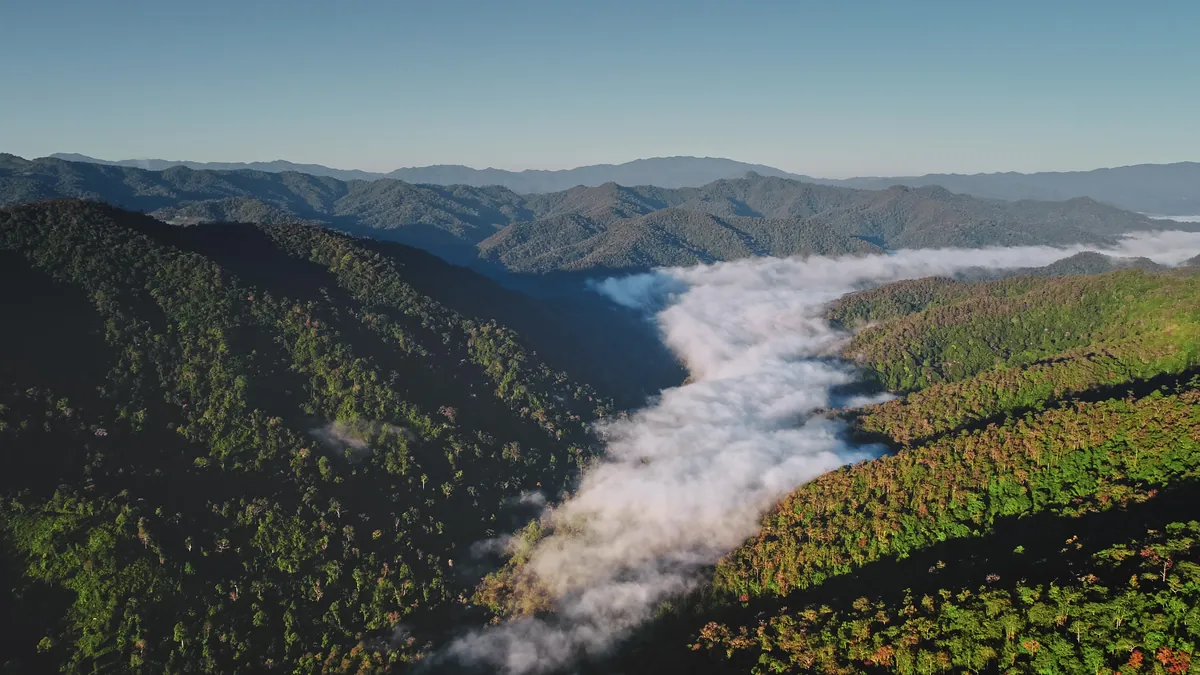
A mountain village around 2,400 m high on the road between the coast and Oaxaca City: pine forests, cool air and a sea of clouds at sunrise.
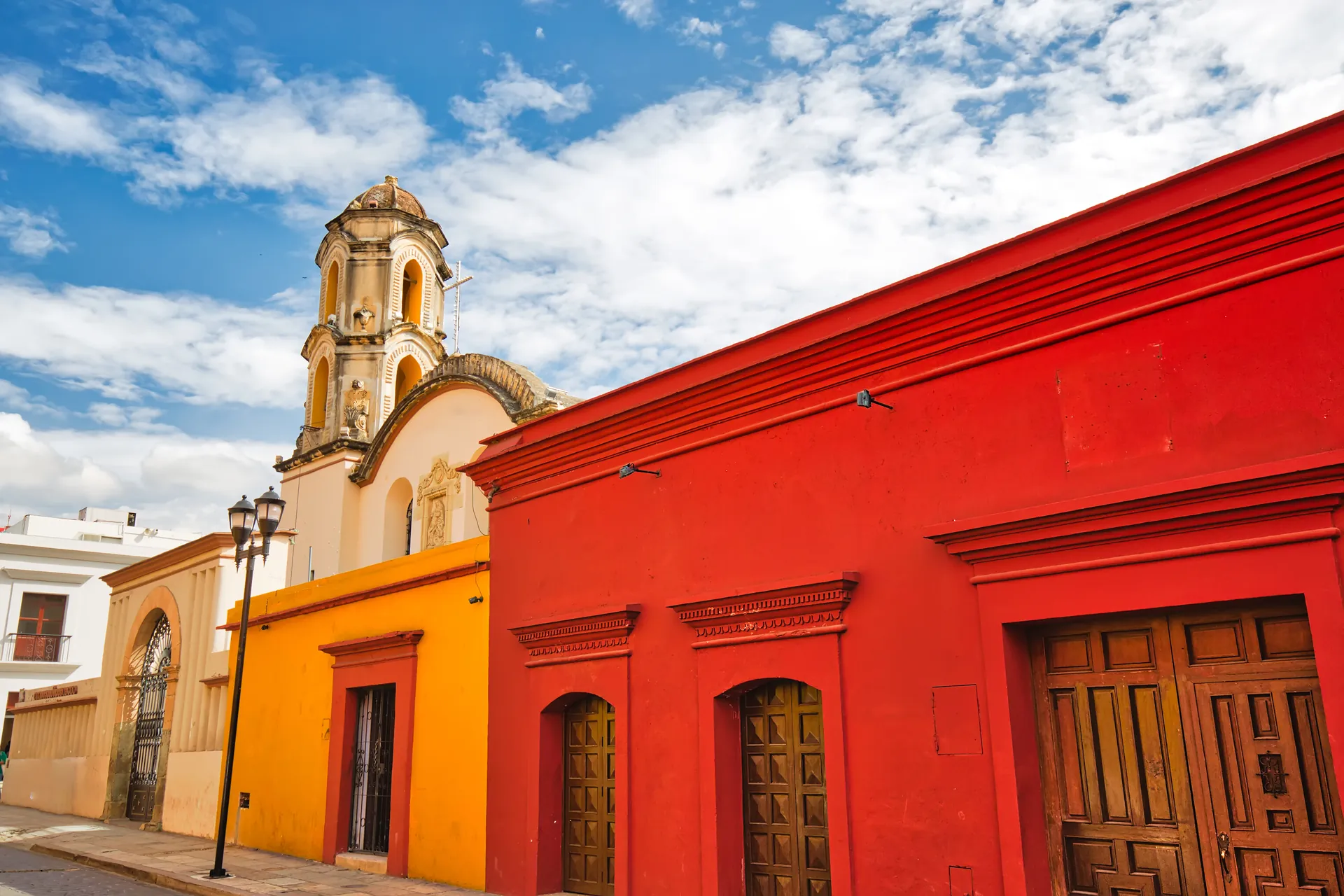 UNESCO World Heritage
A colourful colonial city listed by UNESCO in 1987 with the Zapotec site of Monte Albán. Markets, mole, tlayudas, mezcal bars and the Guelaguetza in July.
Humpback whales pass the Oaxaca coast in winter, mainly from December to March, with January and February often the best months.
At La Ventanilla, a community eco-tourism lagoon about 15 minutes from Mazunte, where local guides take you by boat through the mangroves.
It sits on the mountain road (highway 175) between the coast and Oaxaca City. Count on a winding drive of a few hours, and bring warm clothes: it is around 2,400 m high.
Fresh fish and seafood, tlayudas, mole, quesillo and, if you dare, chapulines (toasted grasshoppers). And a mezcal to finish.
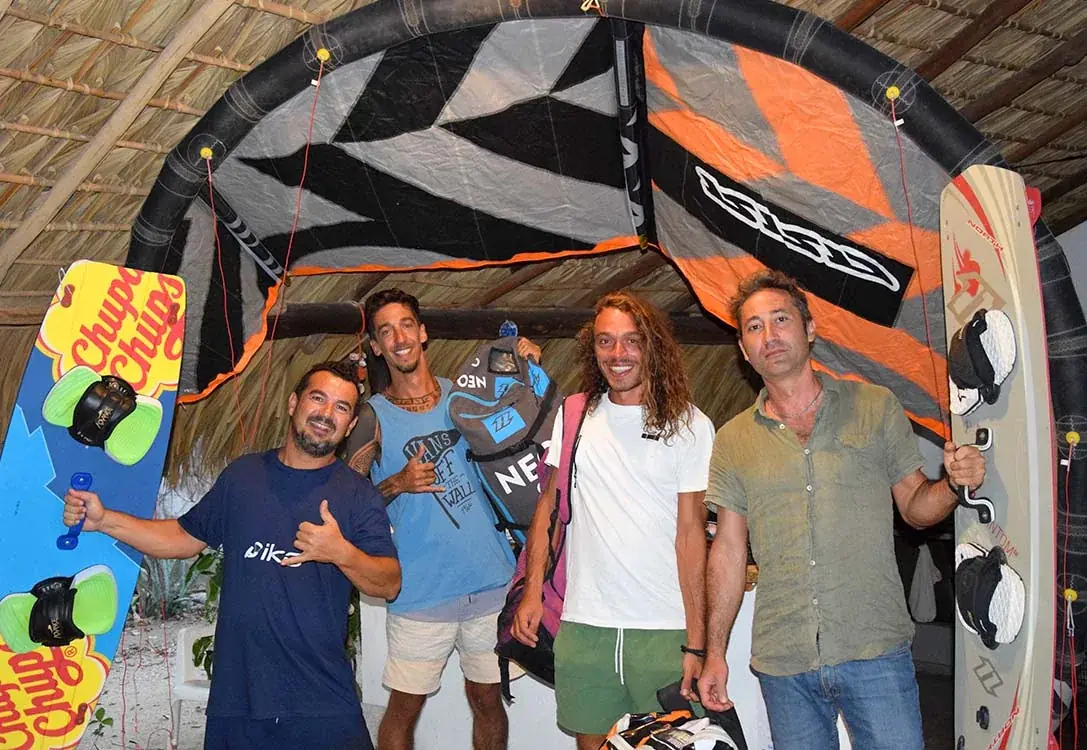
Combine your kite course with the best of the region — we will share all our local tips.